
2 min read
The first 30 days after surgery: a day-by-day guide
Washing, sleeping position, swelling, crusting and shock loss — know what happens and when.
Read More
Hair restoration is all we have done for eleven years. We measure your donor capacity, design the hairline around your facial proportions, and operate with a specialist team in a hospital setting.
0+
Procedures completed
0
Years of experience
0+
Countries served
0%
Satisfaction rate
Techniques that restore your hairline and density with a natural look.

Sapphire blades replace steel in channel opening. Smaller, cleaner incisions allow denser placement and faster healing.
Learn More
Channel opening and placement happen in one step with a Choi implanter — the best option for unshaven work between existing hair.
Learn More
Grafts are moved one by one from the nape to patchy, sparse or scarred areas of the beard.
Learn More
Millimetre-level work with single-follicle grafts for over-plucked, thinned or scarred eyebrows.
Learn More
For a high forehead, thinning at the parting or traction loss — unshaven work, planned alongside a hormonal assessment.
Learn More
Support treatments that strengthen existing hair and speed recovery after a transplant.
Learn MoreResults from real patients. Drag the image to compare the change.
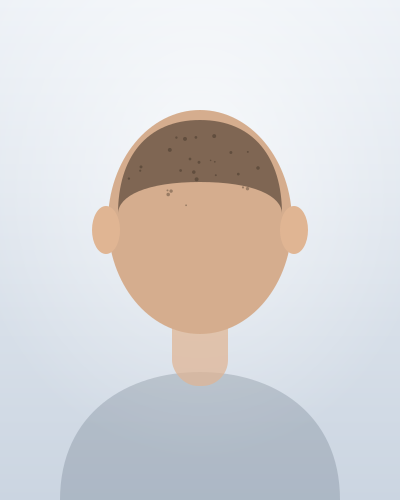
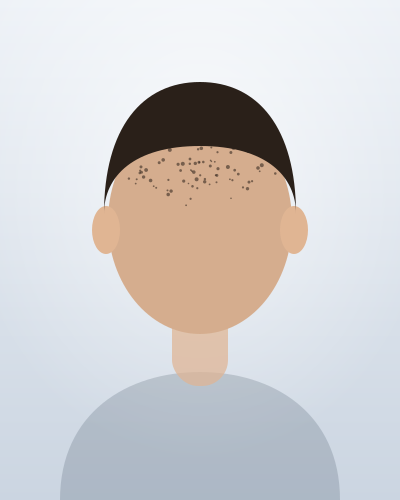 Before
After
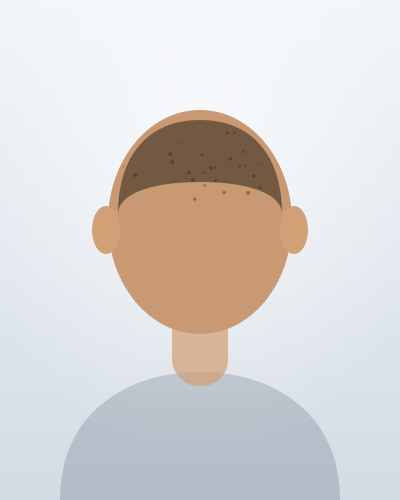
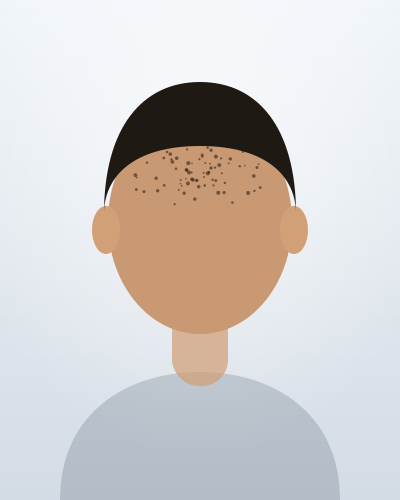 Before
After
 Before
After
 Before
After
 Before
After
 Before
After
We are with you at every step, from your first message to the final check-up.
Send us your photos. Within 24 hours we assess your donor capacity and the technique that suits you, and write back.
Hairline design, graft count, surgery date and accommodation are all settled. Nothing is left vague.
Blood tests, hairline drawing, local anaesthesia and implantation. Typically 6-8 hours, completed in one day.
The first wash is done at our clinic. Check-ups at months 1, 6 and 12 continue in person or by video call.
We know a natural result is never an accident.
From our Istanbul clinic we have focused on hair, beard and eyebrow restoration for over a decade. Every patient receives a plan built around their own hair structure, donor capacity and facial proportions.
We are with you at every step, from your first message to the final check-up.
Send us your photos and our specialists will prepare a free analysis within 24 hours.
0%
Satisfaction rate
Experiences of patients who travelled to us from around the world.
“I spoke to two clinics and both said "one session will do it". Here I was told plainly that my donor capacity was limited and the crown should wait for a second session. That honesty decided it for me. The twelve-month result is better than I expected.”
“I worked with a Russian-speaking coordinator and never had a translation problem. Picked up at the airport, surgery the next day, first wash on day three. Everything happened exactly when they said it would.”
“As a female patient my biggest fear was having my hair cut. It was done unshaven, I was back at work the following week and nobody noticed. They also asked for my thyroid tests beforehand, which reassured me.”
“I had a beard transplant. Patches on my cheeks meant I could never grow one properly. At nine months it finally looks like one piece. I only understood how much the angle matters after the surgery.”
“My forehead was always high and I had to keep my hair tied back. 2,400 grafts changed the whole frame of my face. The team was realistic from the start about how far down we could go.”
“My first procedure was done in another country and the crown never filled in. They did a corrective session here. When explaining what went wrong before, they stayed technical and never ran anyone down.”
Answers to the questions we hear most. Still unsure? Just write to us.
The procedure is done under local anaesthesia, so you feel no pain during it. The only uncomfortable step is the anaesthetic injection itself, which we minimise with a pressure-jet device. Some tightness on the first night is normal and the prescribed painkiller is enough.
Physically you could work the next day. Visually, crusts take 10-14 days to clear and the recipient area is noticeable until then. For patients in client-facing roles we suggest planning around ten days.
Three to four weeks after surgery most of the transplanted hairs shed — this is shock loss and it is normal. Only the shaft is lost; the follicle stays in place. Permanent growth starts around month four. Because follicles taken from the nape are resistant to DHT, they remain for life.
The graft count depends on the size of the area, your donor capacity and the density you want. Send us your photos and we will write back within 24 hours with an estimated range and price. We price as a package: no per-graft surcharges and no surprise changes on the day of surgery.
For international patients the package includes three nights in a four-star hotel, VIP transfers between airport, hotel and clinic, lunch on the day of surgery, the medication and aftercare kit, the first wash and interpreting support.
Growth starts at month four, visible density appears by month six, and at month twelve the shafts thicken into the final result. The crown develops two to three months later than the front. Patience matters: what you see at month six is not the end result.
What you should know about the hair transplant journey.
Washing, sleeping position, swelling, crusting and shock loss — know what happens and when.
Read More
All three rest on the same foundation. The difference lies in how the channel is opened and how the graft is placed.
Read More
The questions to ask before deciding, what donor capacity really means, and realistic expectations.
Read More